A spec that says easy peel can send the wrong sample when the bond that has to let go is the one on the bottle. On the Avery help page read here, Easy Peel is a pop-up edge that lets the label leave its liner. On Avery’s removable-label category page, removable is a claim about the label leaving a surface. Record which of those bonds the sample is supposed to release.
Easy Peel and removable name different bonds. Avery’s help article, fetched October 11, 2026, says its Easy Peel labels have a pop-up edge that allows for faster peeling, and that the reader should look for Easy Peel on the packaging. That page does not mention a bottle. Avery’s removable-label category, fetched the same day, says those labels remove cleanly with no messy residue, and that the printable ones remove cleanly with no residue on glass, plastic and paper. That wording describes the products on that page. It is not a peel force, an adhesive name, or this bottle’s result. Avery’s bottle-label category, fetched the same day, is a catalog and is not removal evidence. Empty cells below were not stated on the three pages.
| Bond the words might mean | What the fetched page states | What you write from the sample | Left empty |
|---|---|---|---|
| Label leaves the liner | Avery’s Easy Peel help page: a pop-up edge for faster peeling. Look for Easy Peel on the packaging | Whether this sample’s liner edge is the release you need | Peel force. Adhesive name |
| Label leaves the bottle | Avery’s removable category: printable labels remove cleanly with no residue on glass, plastic and paper | Container, and what the bottle wall looked like after | A residue result until you observe this sample. Dwell time |
| Label leaves in an industrial wash | Solvent, temperature, cycle, residue |
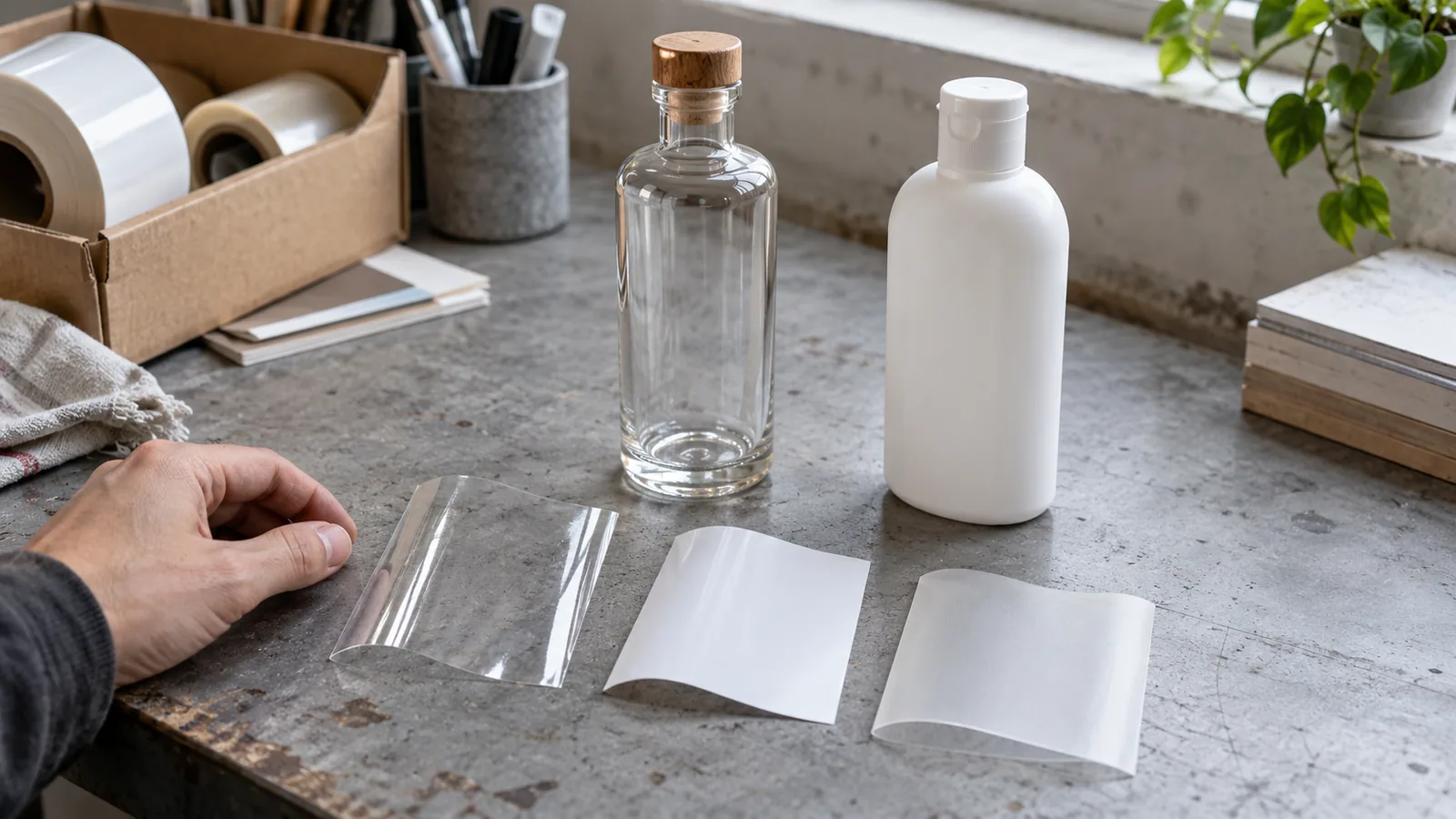
Photographs on this page show blank labels on a liner sheet and on a plain bottle.
Name which bond the sample has to release
The help page is about getting the label off its backing. The removable category is about getting the label off a surface later. A bottle project needs the interface named before those phrases are treated as the same product.
| Interface | What would release | Page that states it | Project entry |
|---|---|---|---|
| Liner | The label leaves the release liner | Avery, Easy Peel help article, fetched October 11, 2026 | |
| Bottle wall | The label leaves the container surface | Avery, removable-label category, fetched October 11, 2026 | |
| Wash | The label leaves during an industrial wash |
A face, adhesive and liner for a label that stays on the bottle belong on the pressure-sensitive construction checklist. This page starts after that construction exists and asks which interface is supposed to let go.
Common mistake: Reading Easy Peel on the liner packaging as proof that the label will leave the bottle.
Takeaway: Write liner, bottle wall, or wash on the sample row before you describe the label as easy-peel or removable.
What the Easy Peel page actually says
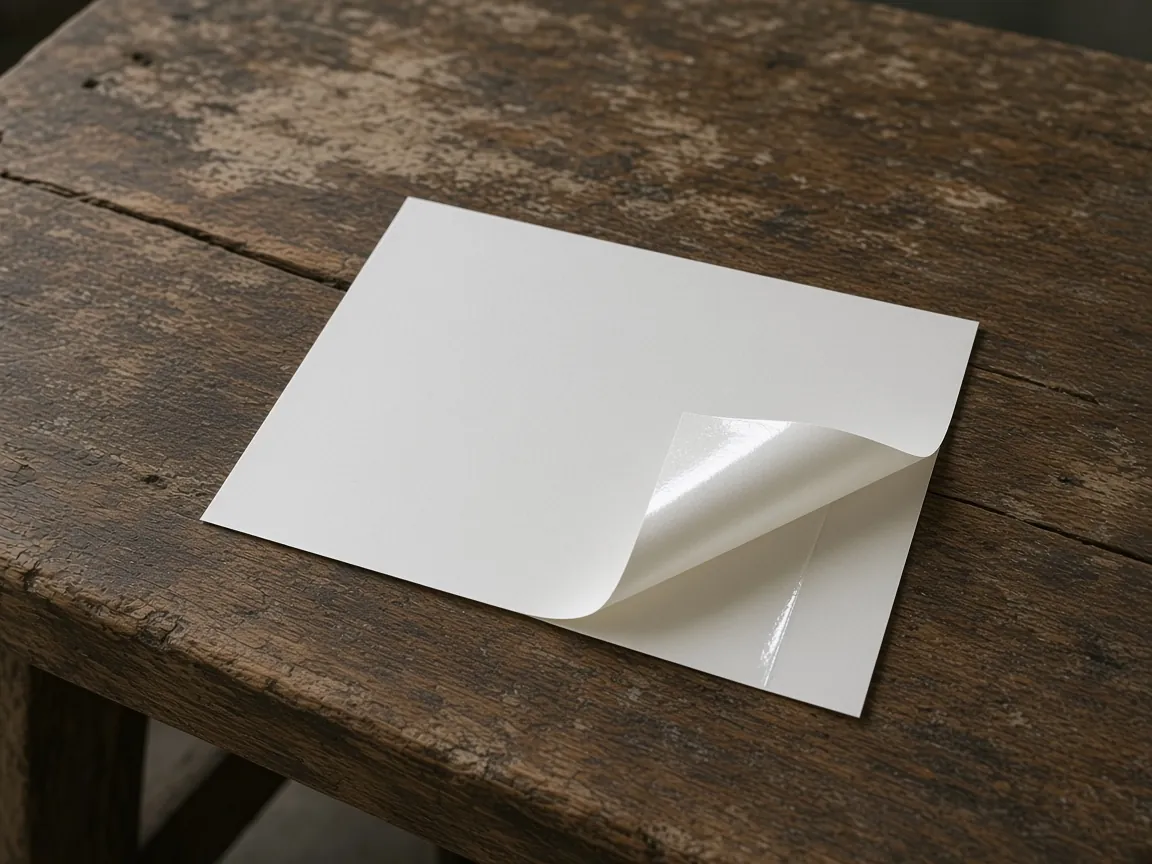
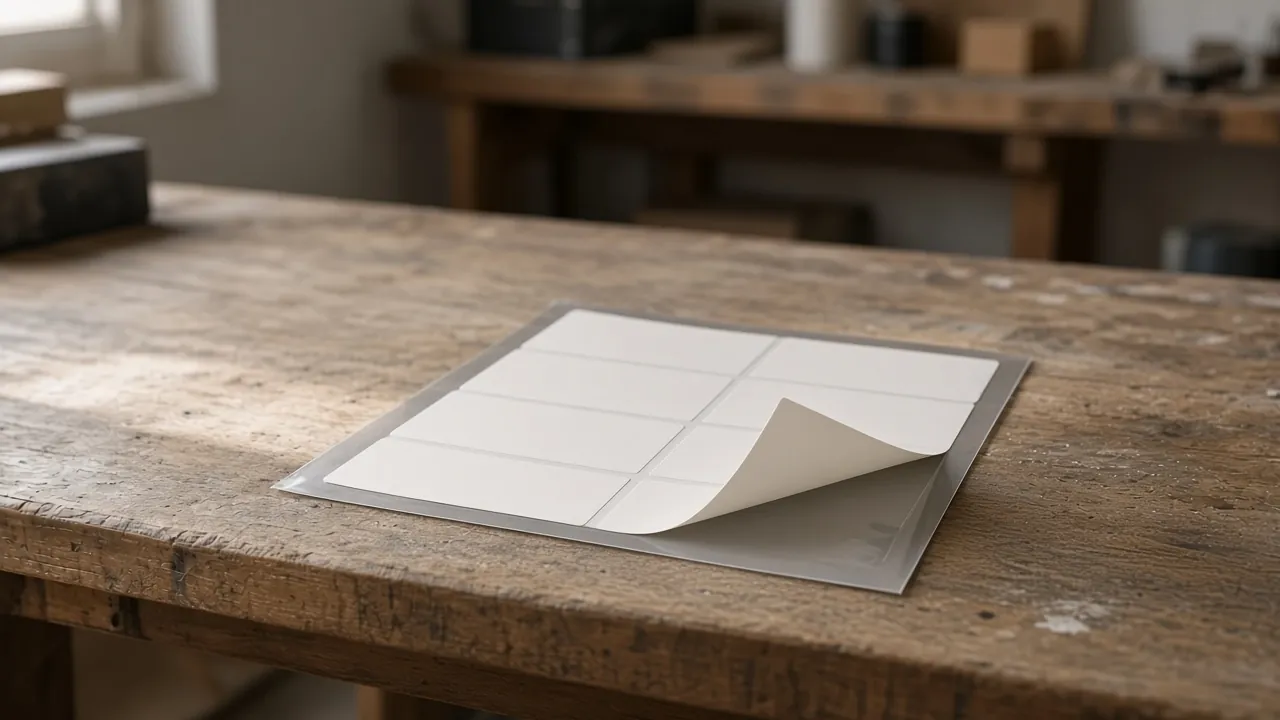
A blank white sheet corner curls back on a worn wooden table, showing a glossy liner underneath.
Avery’s help article is titled “Easy Peel; Crack N’ Peel Labels.” It says: “Our Easy Peel labels have a pop-up edge feature that allows for faster peeling.” It then says to look for Avery labels that have Easy Peel listed on the packaging. The applies-to line names crack and peel, crack and peel labels, and crack and peel stickers. The fetched text does not name a bottle, a residue result, an adhesive, or a peel force.
That keeps Easy Peel on the liner row. It does not specify a removable bottle label.
Takeaway: Easy Peel, on the page that was read, is a pop-up edge for leaving the liner.
What the removable category claims about the surface
Avery’s removable-label category, fetched October 11, 2026, offers blank or custom printed waterproof and oil-resistant removable labels “that remove cleanly with no messy residue,” on sheets you print yourself or on professionally printed sheets or rolls. It says the labels “stick and stay put but leave no messy residue.” For the printable sheets it says they “stick and stay but remove cleanly with no residue on glass, plastic and paper,” in a matte finish, for product packaging, pricing, promotions and organization. The custom-printed range is described as glossy vinyl sheet labels and durable white film on rolls that are waterproof and resistant to abrasions, sun and oils, plus paper removable labels for indoor applications. The page names jars, bags, plastic, bottles, boxes, tubes and tins, and barcode labels a customer can remove after purchase.
Those sentences are Avery’s, about the products on that category page. The fetched text does not name an adhesive grade, a peel force, a dwell time, or a test method. “No residue on glass, plastic and paper” stays with the printable-label sentence. It is not copied into the sample row as this bottle’s result.
Avery’s bottle-label category, fetched the same day, is a separate catalog of blank or custom bottle labels, including waterproof films and metallics, for glass or plastic bottles, on sheets and rolls. It does not say those bottle labels are removable. One line says squeezable waterproof film labels won’t wrinkle or peel on uniquely shaped bottles. That is a stay-on description, not the removable-category claim. The page points readers who want help removing old labels from glass bottles to a different help article. That article was not read for this record, so its method is not repeated here.
If a label lifts when it was supposed to stay, record the symptom in the bubbles, wrinkles and lifting record before you call the lift a removable feature.
Takeaway: The removable category states a surface claim for the products on that page. The bottle catalog does not turn that claim into a result for this sample.
Photograph the bottle before and after the release you asked for
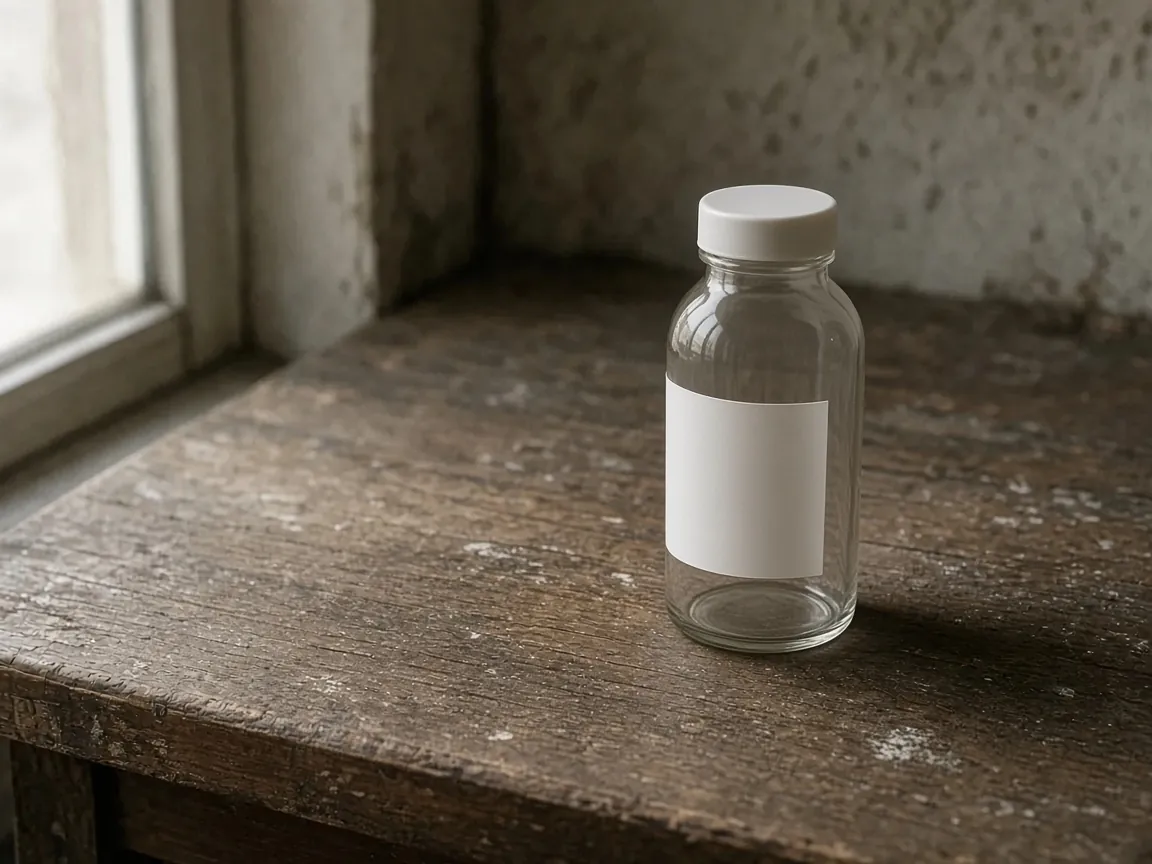
A clear glass bottle with a white cap and one blank white label stands on a worn wooden bench.
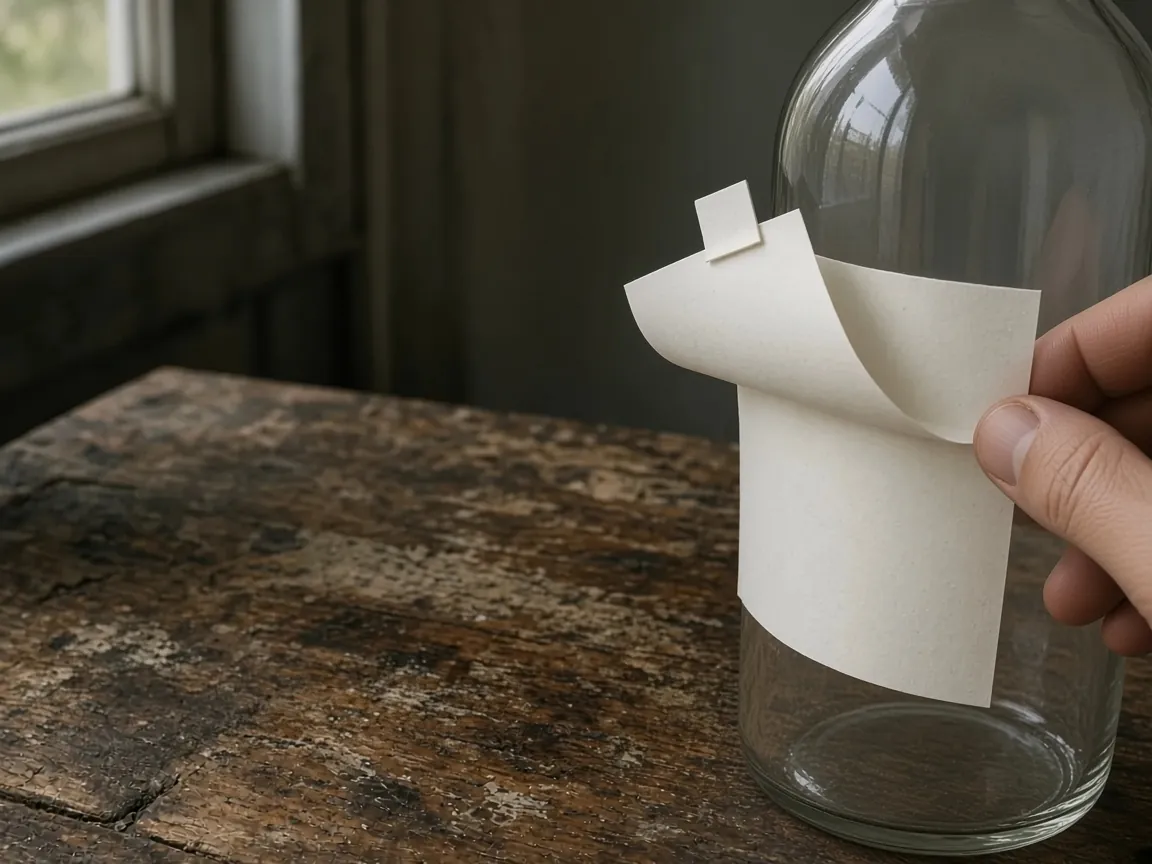
A hand peels a blank white label partway off a clear glass bottle on a worn wooden bench.
The two photographs are the order for a bottle-wall release: the label in place, then the same kind of bottle after the release starts. They are not a test report. Give each photograph an ID and write what you saw. Underscores are blank project entries. Cells with nothing after the bar were not stated on the pages read here.
| Field | Entry |
|---|---|
| Sample ID | ___ |
| Bond you asked to release | ___ |
| Face material, as the supplier states it | ___ |
| Adhesive name | |
| Liner, if the label is supplied on one | ___ |
| Container material and ID | ___ |
| Applied: photo ID and what the wall looked like | ___ |
| Dwell time before removal | |
| After release: photo ID and what remained on the wall | |
| Peel force | |
| Wash solvent, temperature, cycle |
The materials section keeps this release record with the other material checks.
Takeaway: One row should hold the bond you named, the container, and the two photograph IDs.
When this record stops
An industrial wash is a third release, and none of the three pages describes it. Solvent, temperature, cycle count and a wash residue stay empty. When a bottle must hold through chilling or ice water and then release during returnable bottle washing, use the wash-off returnable bottle label specification to record service hold and the approved washing route separately. This page does not supply a cleaning method. Avery’s “no messy residue” and “no residue on glass, plastic and paper” remain that supplier’s category wording. They are not a result for an unnamed adhesive on an unnamed bottle, and they are not a wash result.
Peel force is absent from all three pages. A supply count of material and size combinations on the bottle-label page is not a comparison of bonds, so it is left off this record.
Takeaway: Use the record to show which bond the sample was asked to release, and leave the unstated cells empty.
Method and sources
Compiled from Avery, “Easy Peel; Crack N’ Peel Labels”; Avery, “Removable Labels”; and Avery, “Bottle Labels.” All three pages were fetched on October 11, 2026, and read for this article on October 14, 2026. All three are supplier pages. The Easy Peel text supports the pop-up liner edge. The removable category supports the surface claims quoted above, for the products on that page. The bottle category is a supply catalog and is not removal evidence.
The comparison table, the sample row and the photograph order are editorial. Our editorial policy explains how sources are handled.
Version record: October 14, 2026. New record for separating a liner pop-up edge from a label that leaves the bottle.
Takeaway: The sources name two different bonds. The sample row is where this bottle’s result goes, and several cells stay empty.