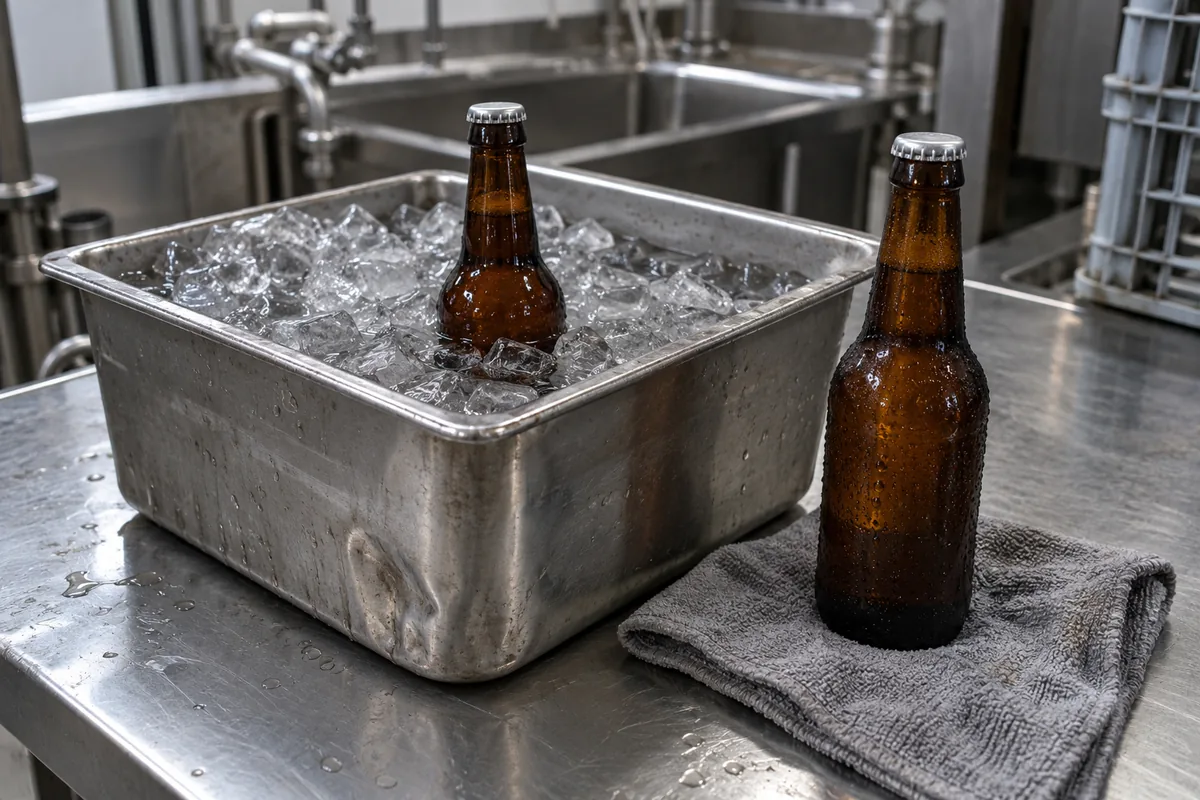
Wash-Off Labels for Returnable Bottles: Specify Use and Release Separately
Record cold-service retention and the approved bottle-washing route separately when specifying wash-off labels for returnable beverage bottles.
From material choice
to the finished bottle.
Source-based label and packaging reference material. No supplier or original company affiliation.
Record cold-service retention and the approved bottle-washing route separately when specifying wash-off labels for returnable beverage bottles.
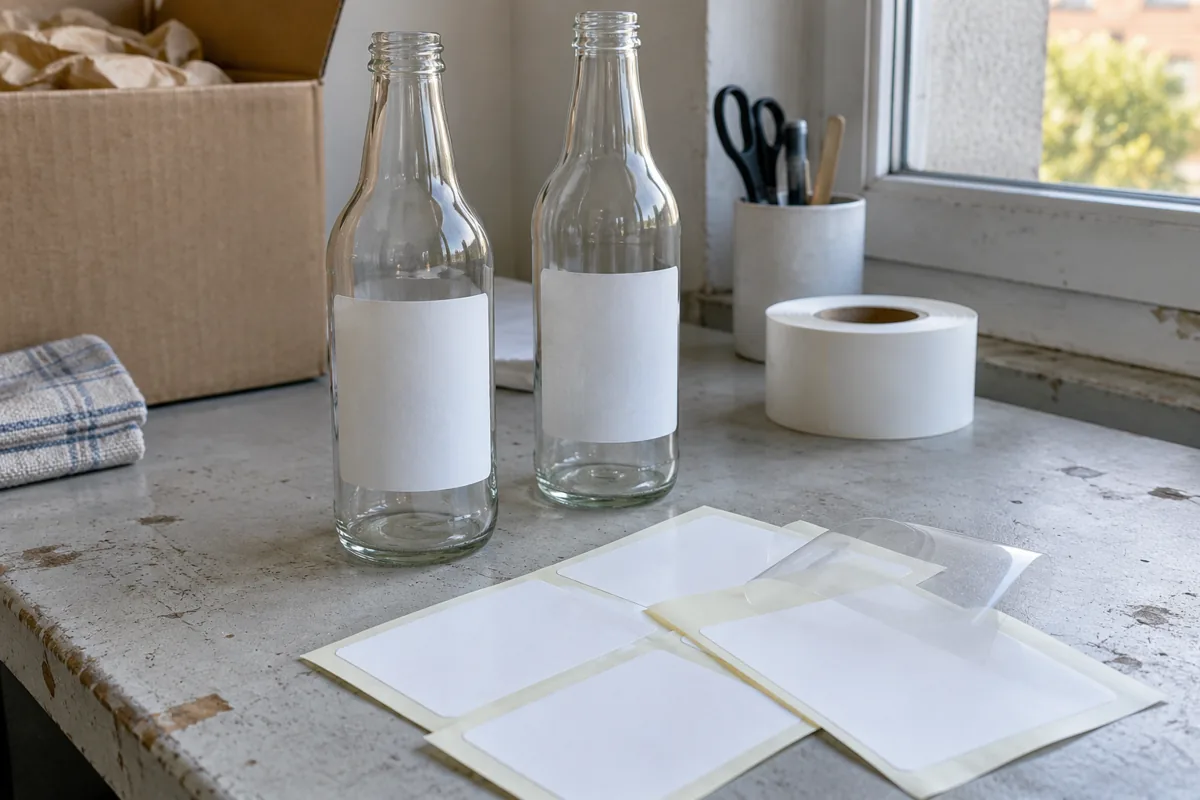
Check bottle-label material, print, finish and adhesive together, then record legibility, surface damage and adhesion under the intended water contact.
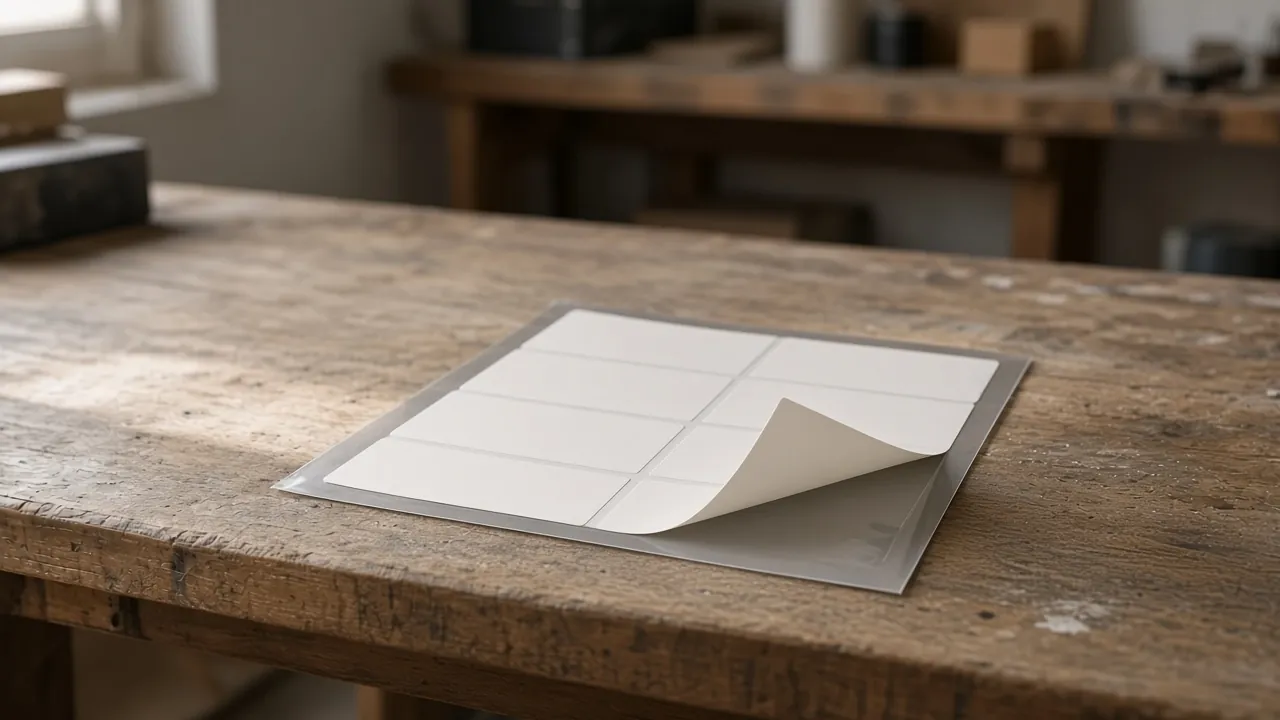
Separate a liner pop-up edge from a label that leaves the bottle, and leave material, dwell time and residue blank until a sample shows them.
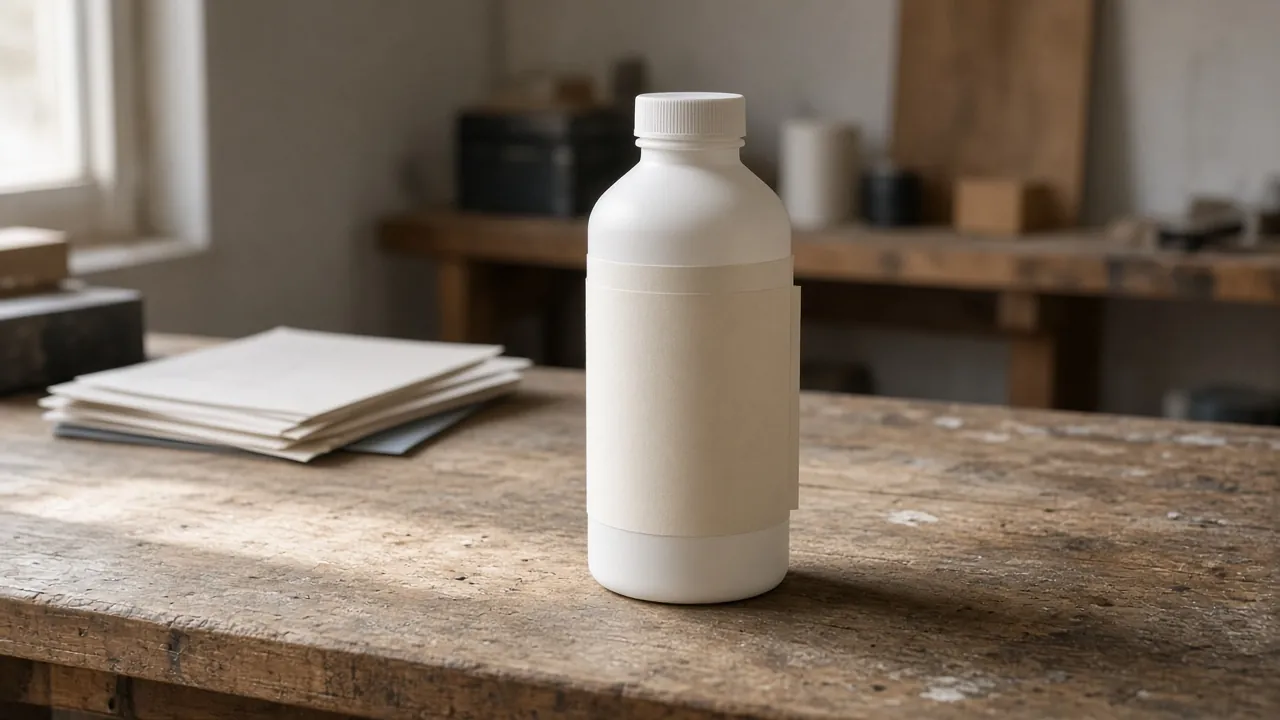
Record the closed cover, the first opening, each opened panel, and the reclose on the container before treating a flat artwork file as the reading order.
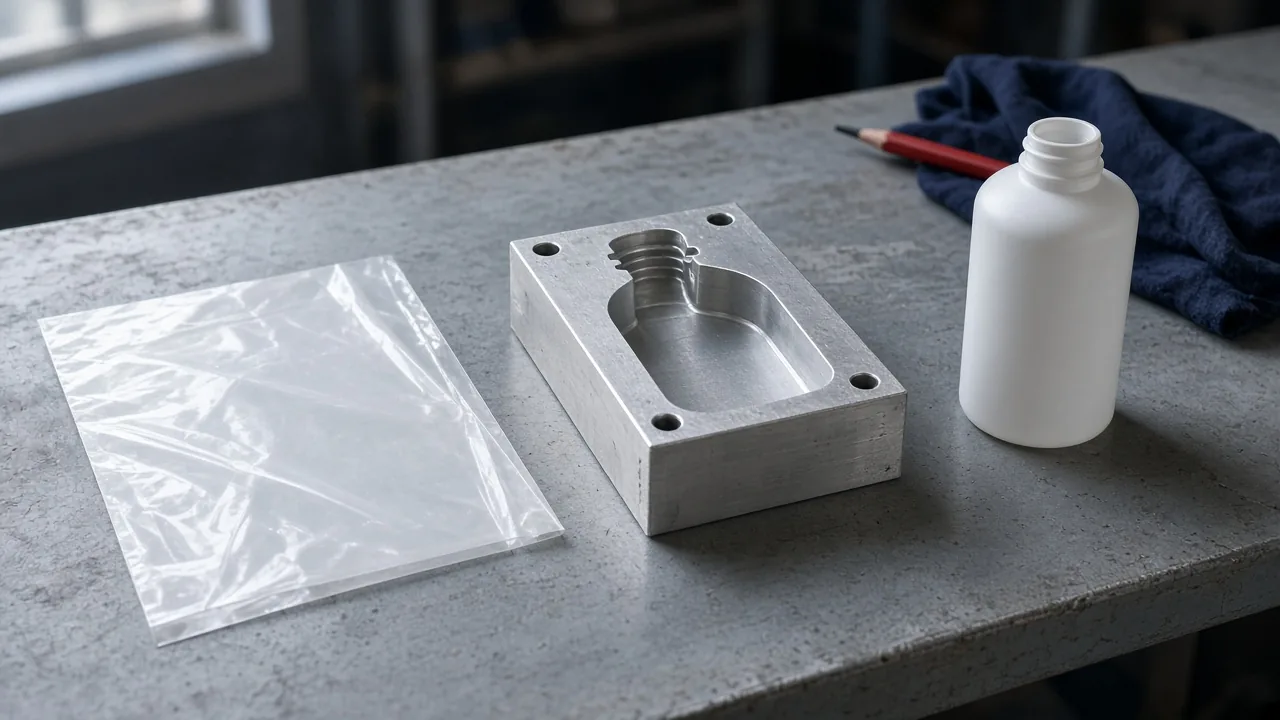
Record the forming route, the moment the label enters the mold, and who approves the molded sample before reusing a finished-bottle label requirement.
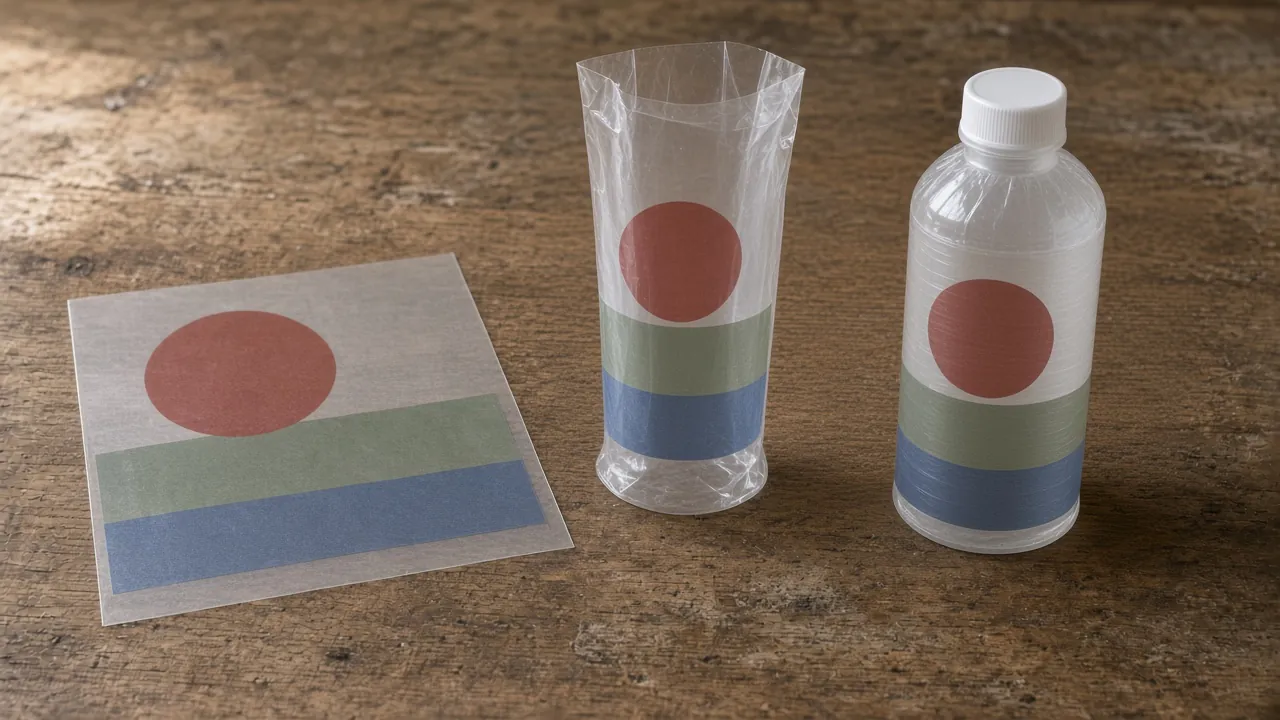
Pair the bottle, film and artwork revisions, then follow key artwork and the seam from flat proof to unshrunk sleeve and shrunk bottle in one record.
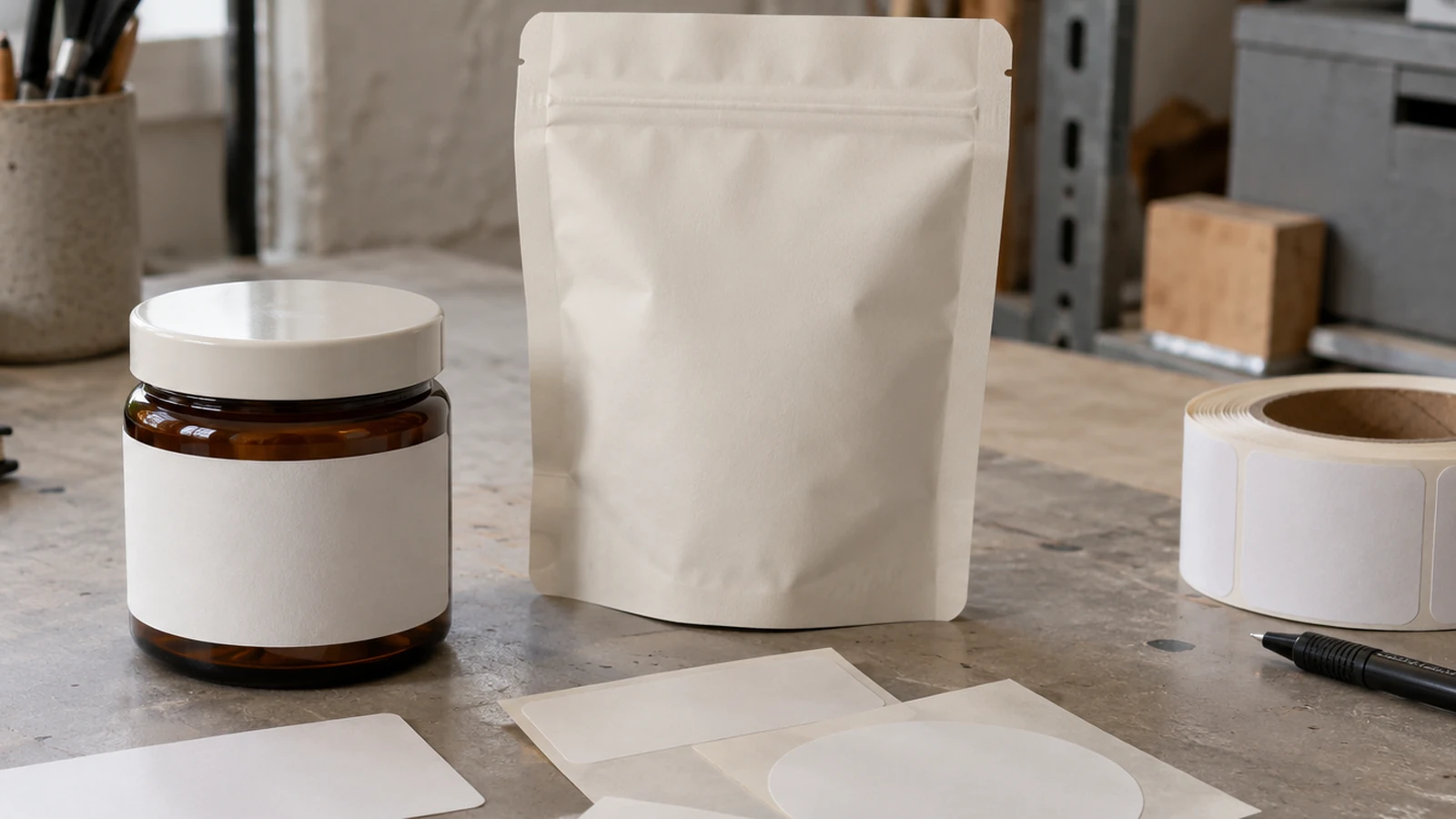
Use California's AB 2249 signing announcement to review label imagery, record artwork decisions and identify timing questions for DCC or legal review.
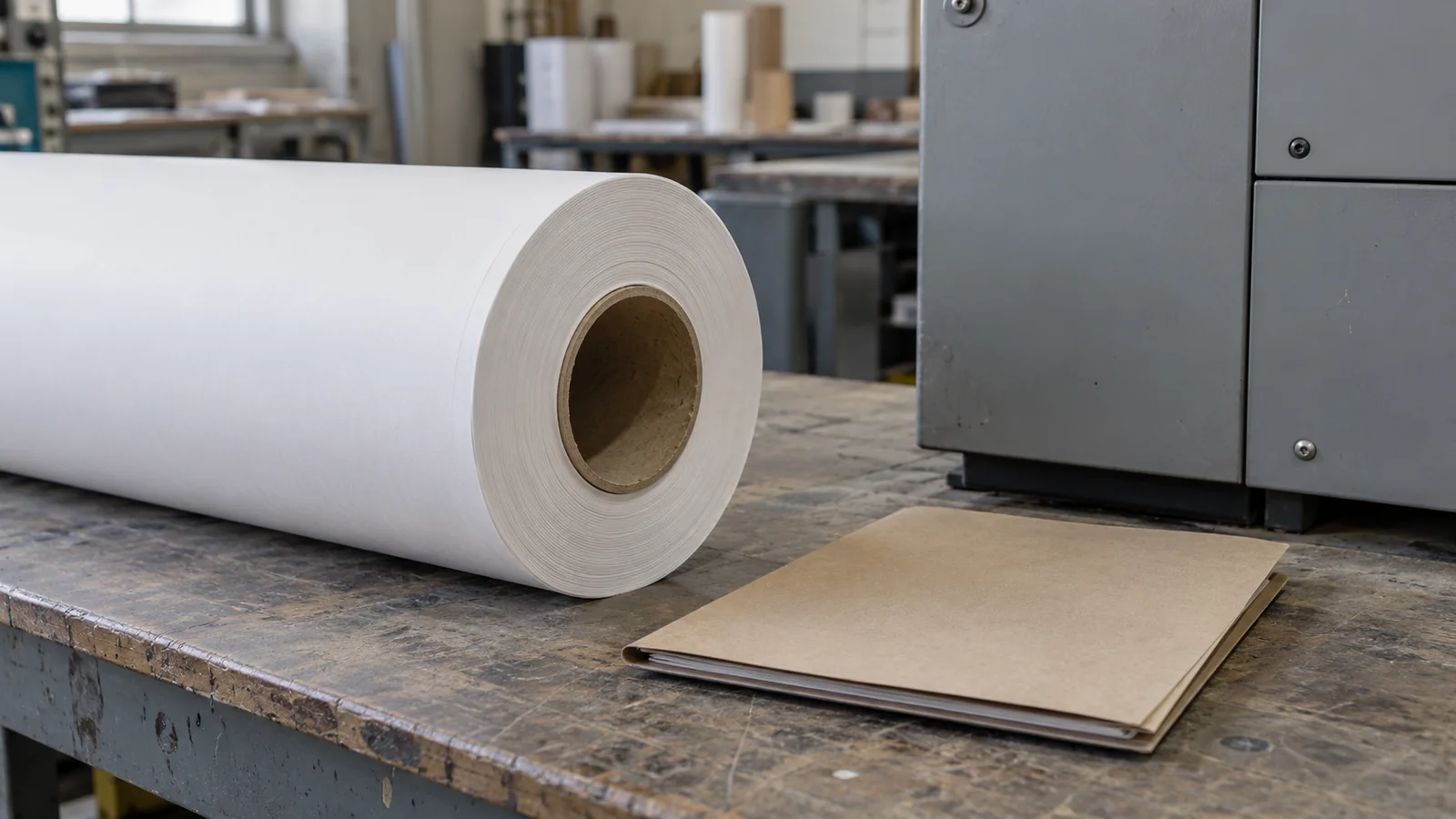
Prepare a press-specific service and warranty handover record around Durst's planned MPS acquisition, keeping announced channels separate from contract terms.
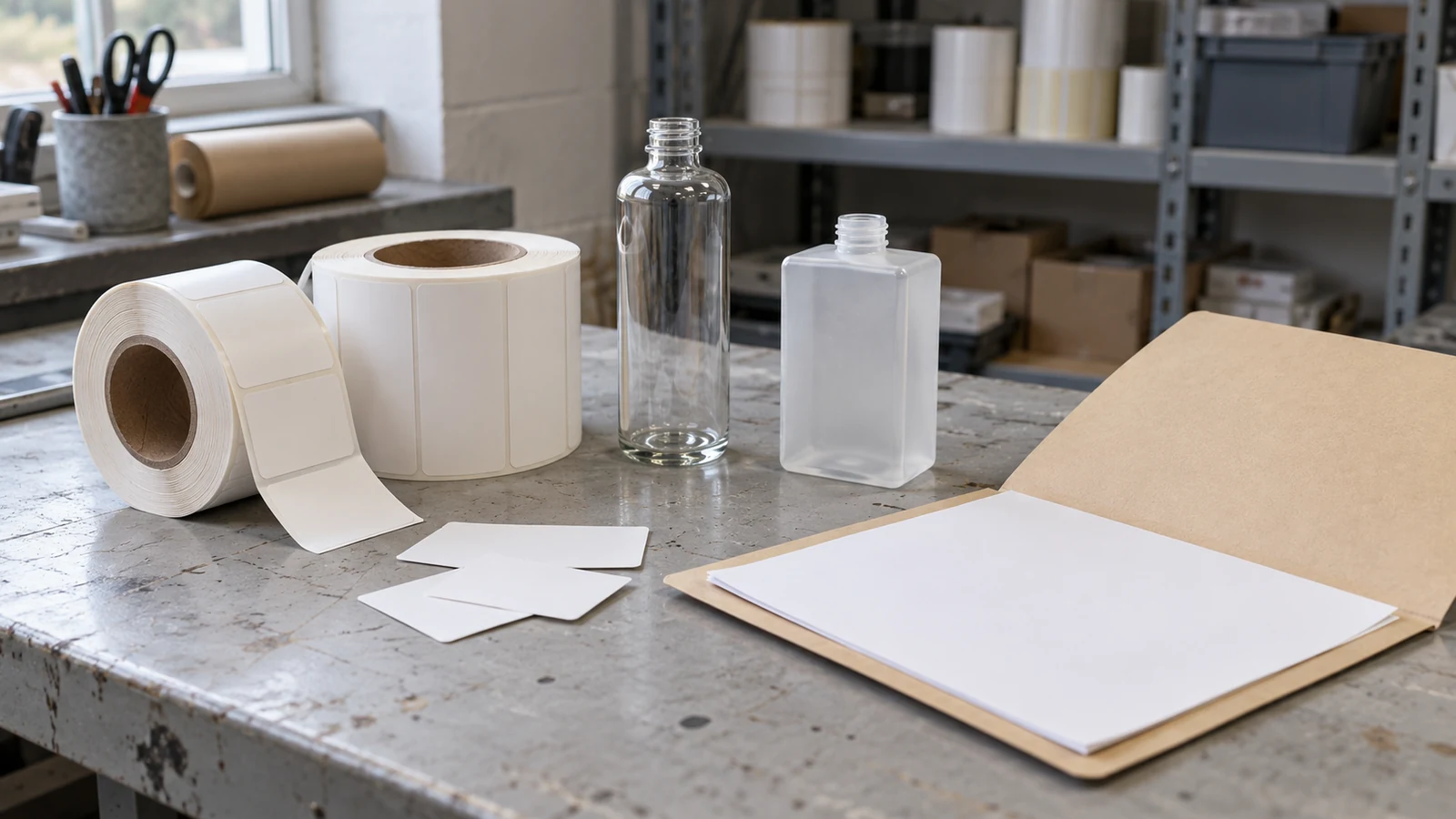
Turn PRINTING United's automation, AI and convergence themes into label-job evidence, supplier questions and a documented post-show follow-up record.
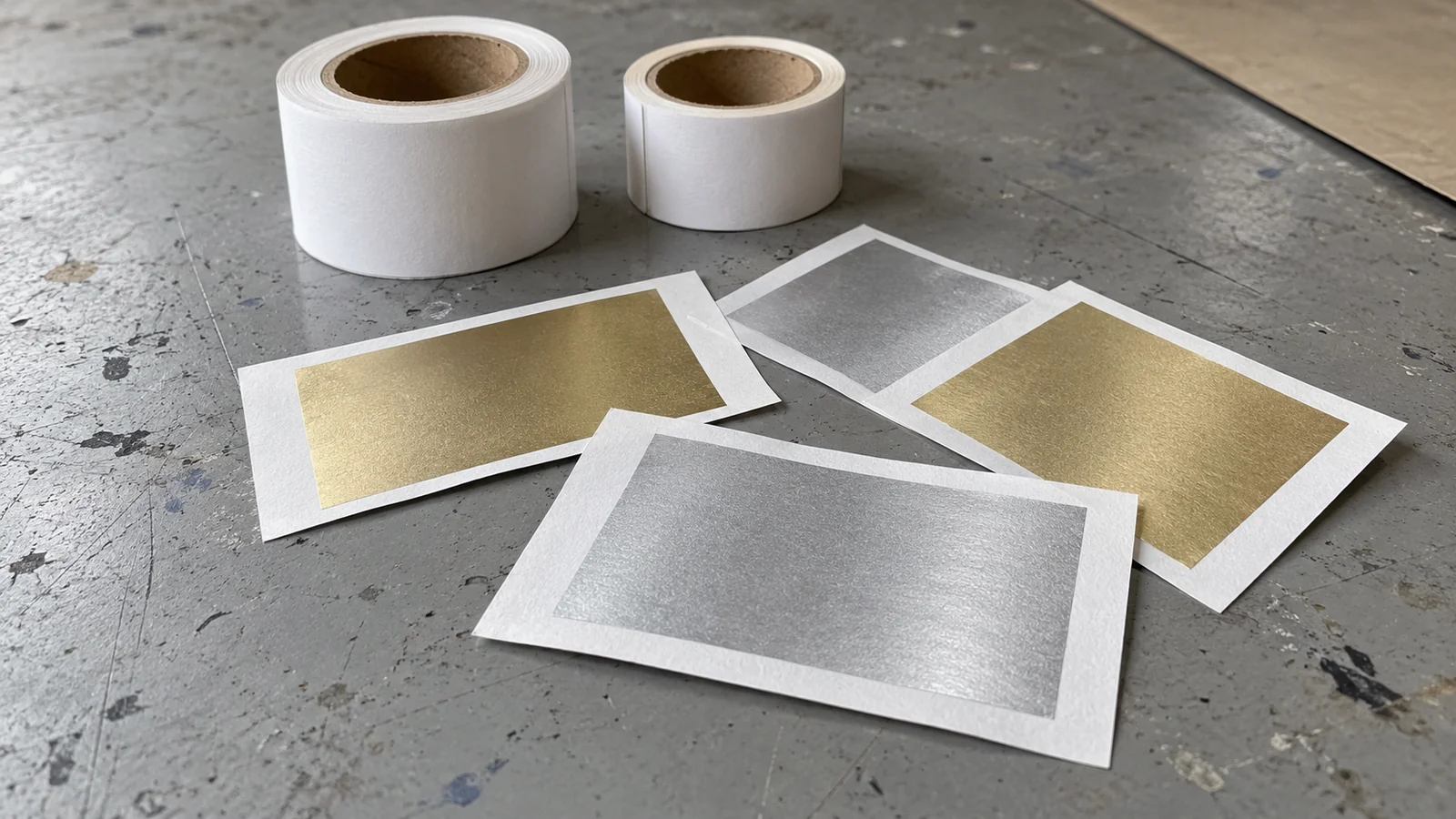
Turn Stahl's Senoprint announcement into a paper-label trial brief covering substrate, protective topcoat, comparison samples and supporting documents.
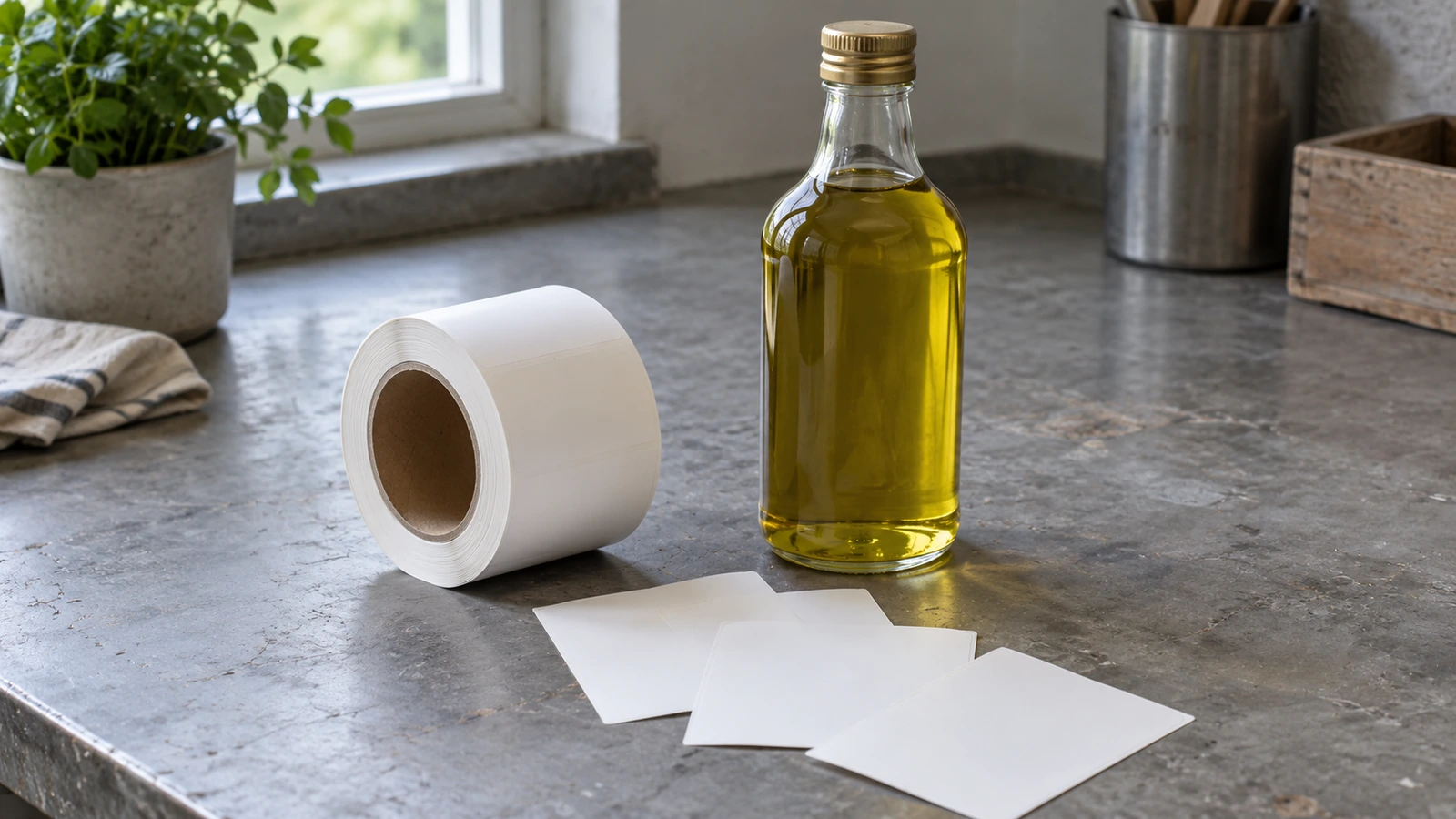
Evaluate UPM's Asendo 80 face-paper announcement through an identified label construction, supplier documents and a trial under your production conditions.
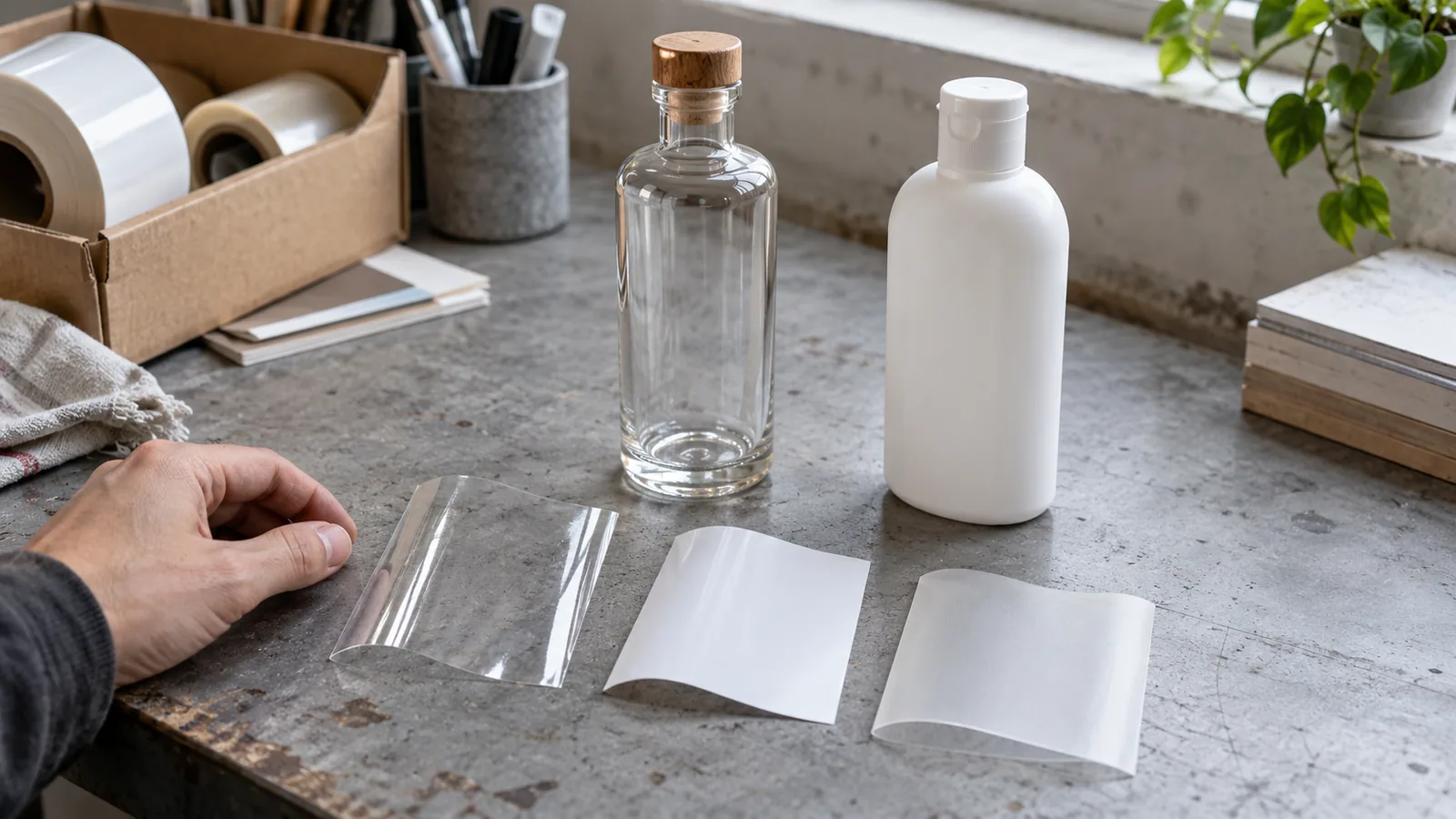
Compare identified film constructions against bottle rigidity, curves and squeezing, with supplier-grade evidence and unknown fields kept visible.
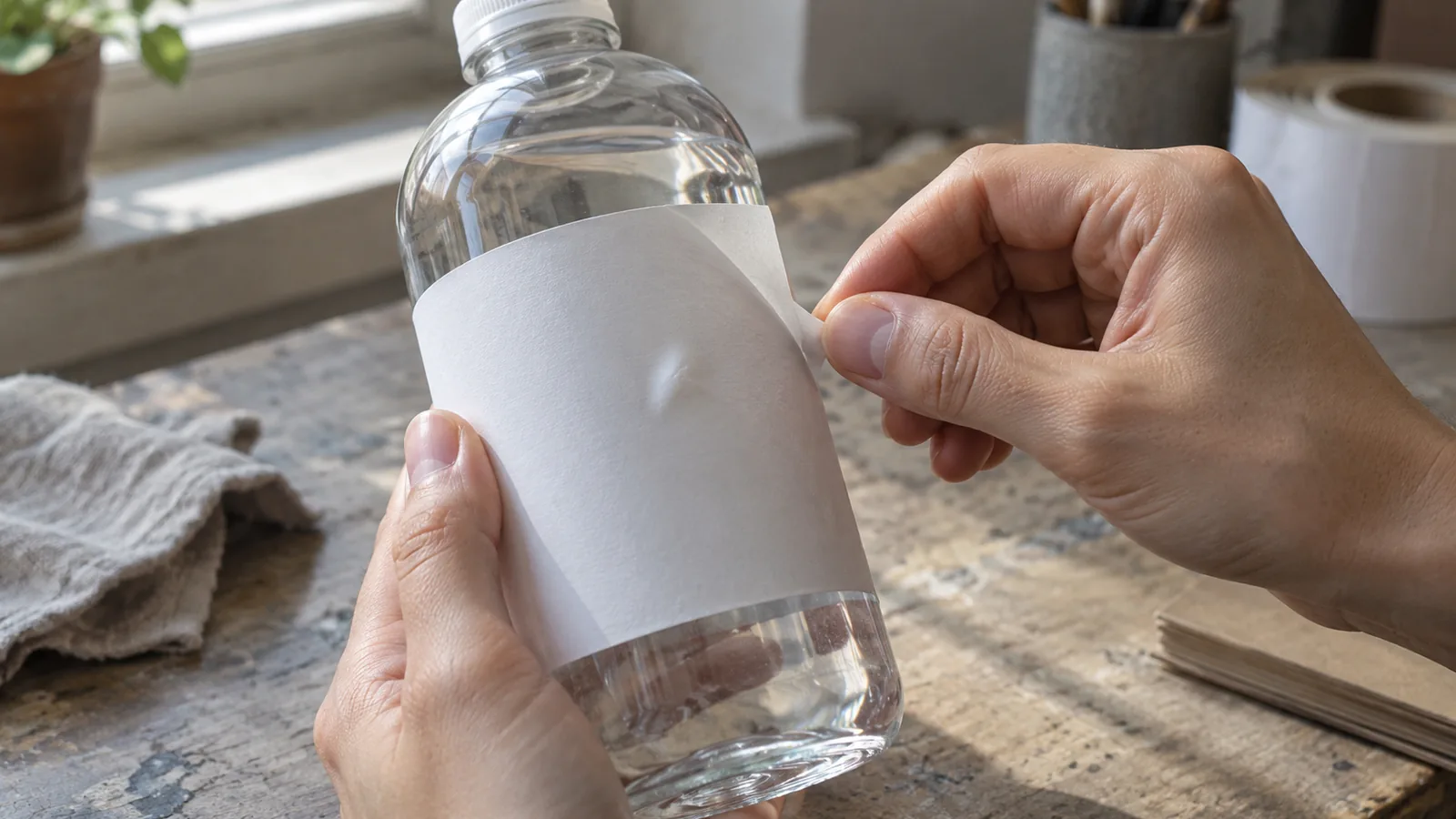
Distinguish bottle-label symptoms and timing, preserve sample identities, and plan one controlled comparison before choosing a cause or adjustment.
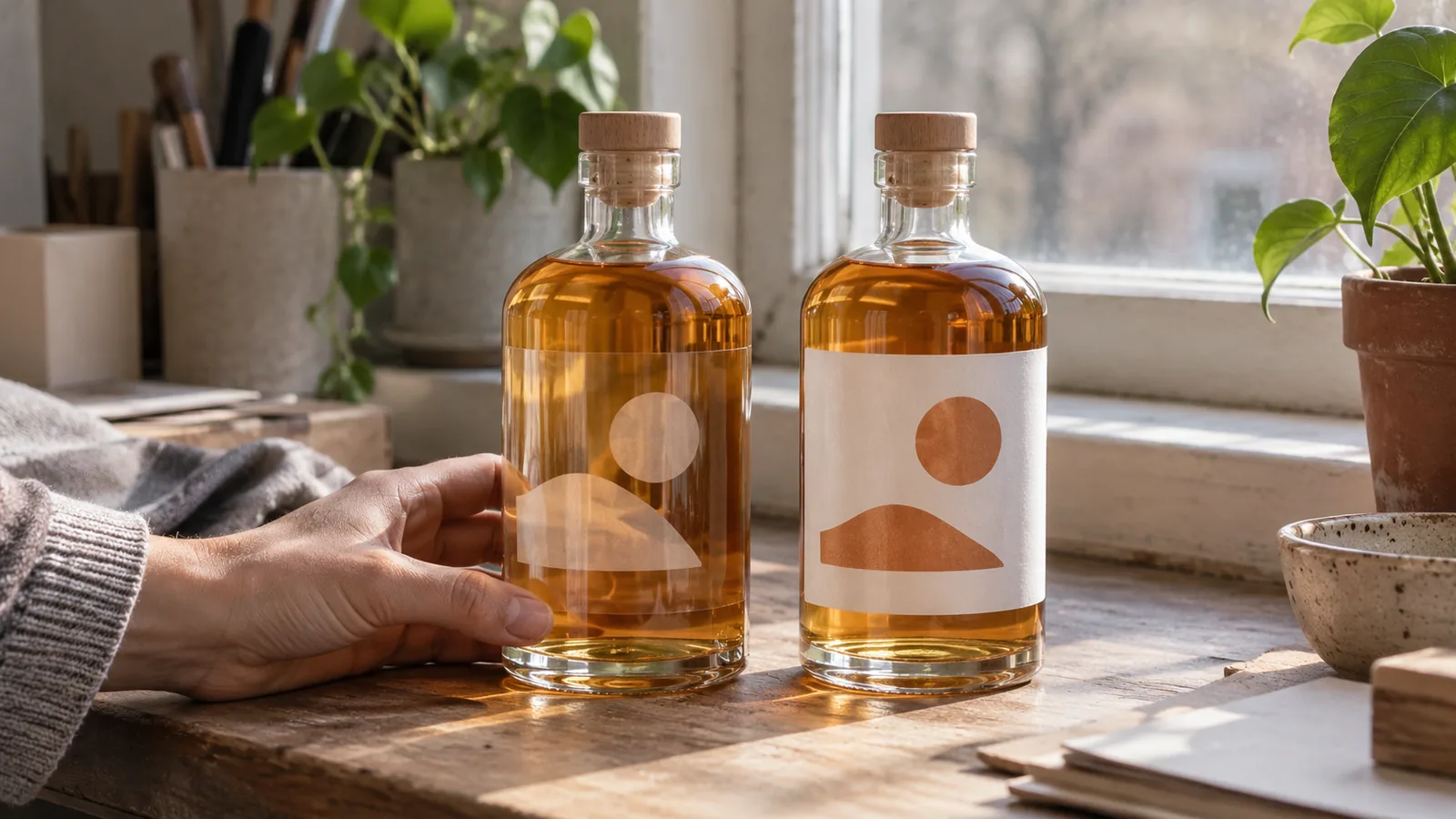
Compare clear and white labels on the same bottle and fill, with transparent areas, white ink and viewing conditions recorded beside the artwork.
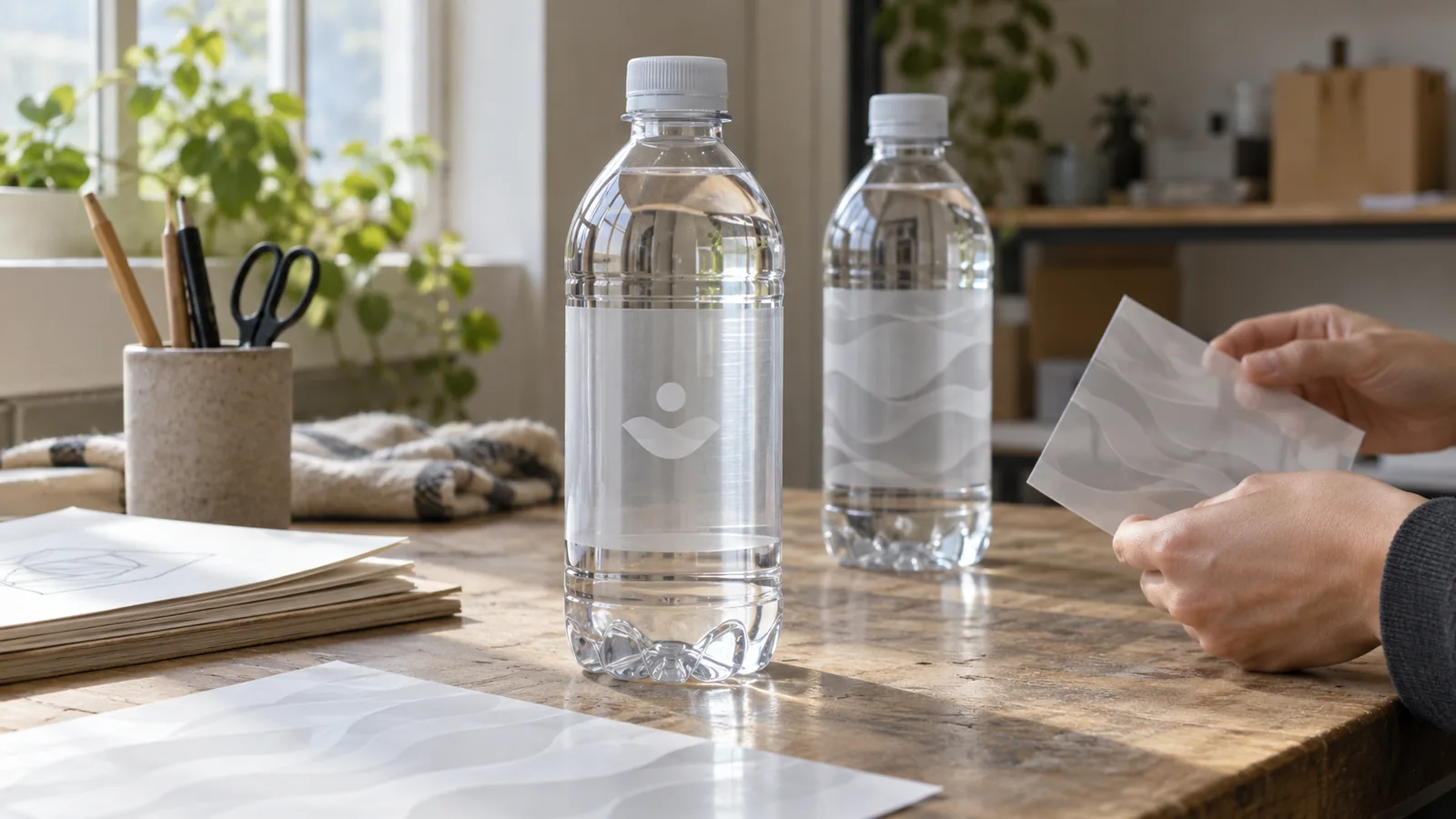
Separate the reported Ethos label and equipment facts from the bottle, artwork and application conditions a new project needs to verify.
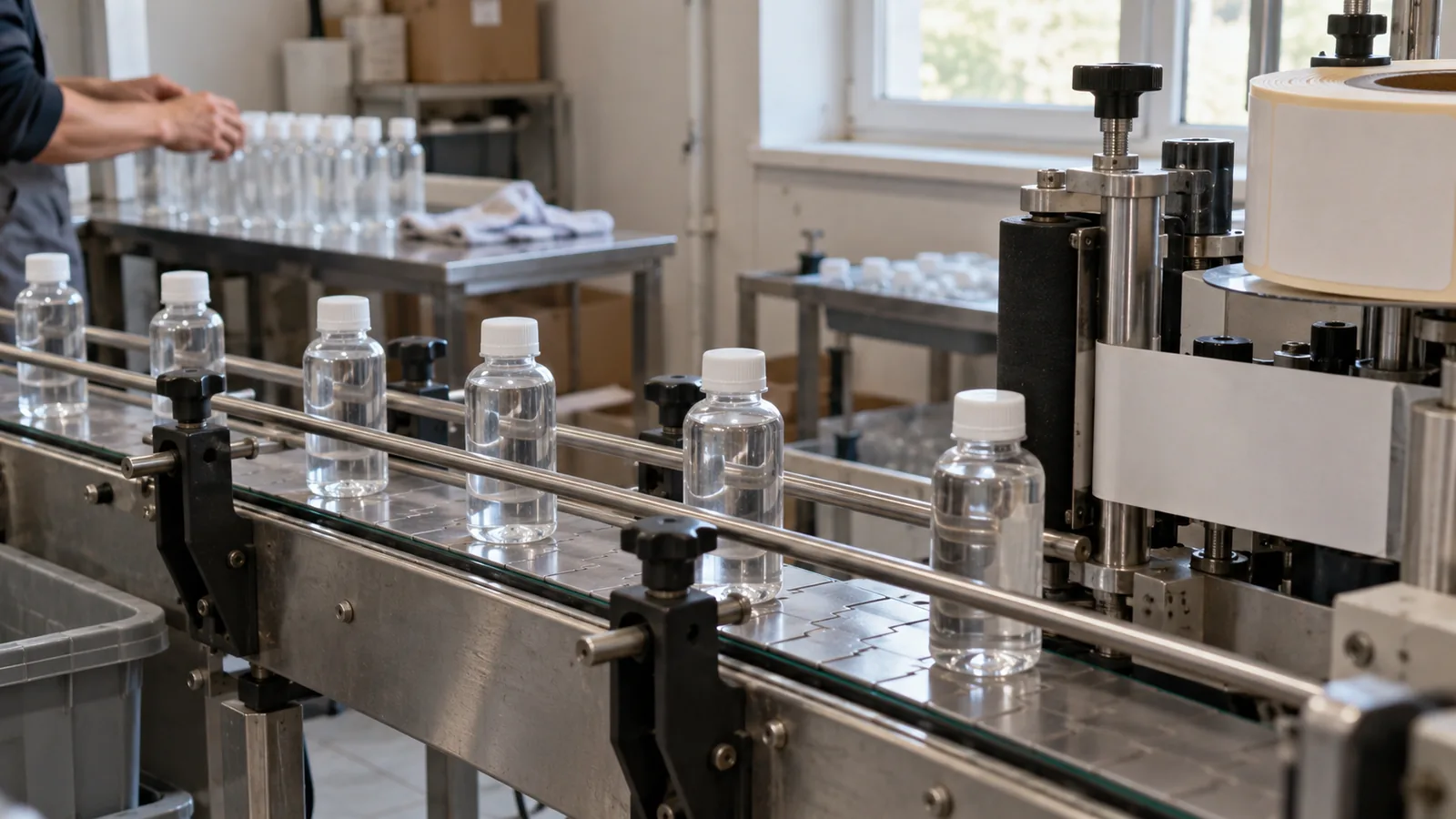
Record the filled, capped bottle surface, posture, spacing and contact areas at the labeling entrance before interpreting a label defect.
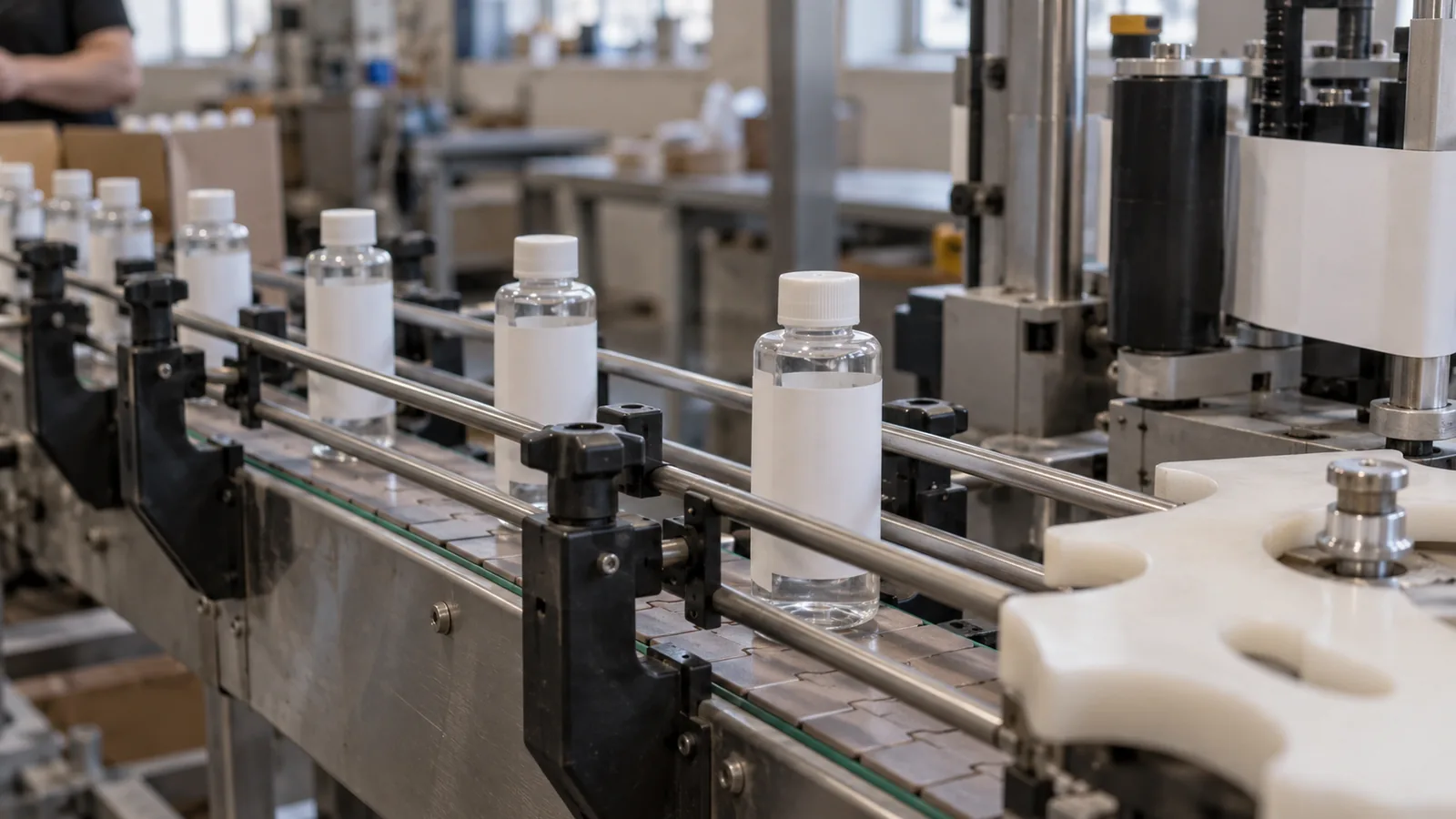
Define bottle support, orientation and label positions before comparing inline and rotary layouts, using the same identified container samples.
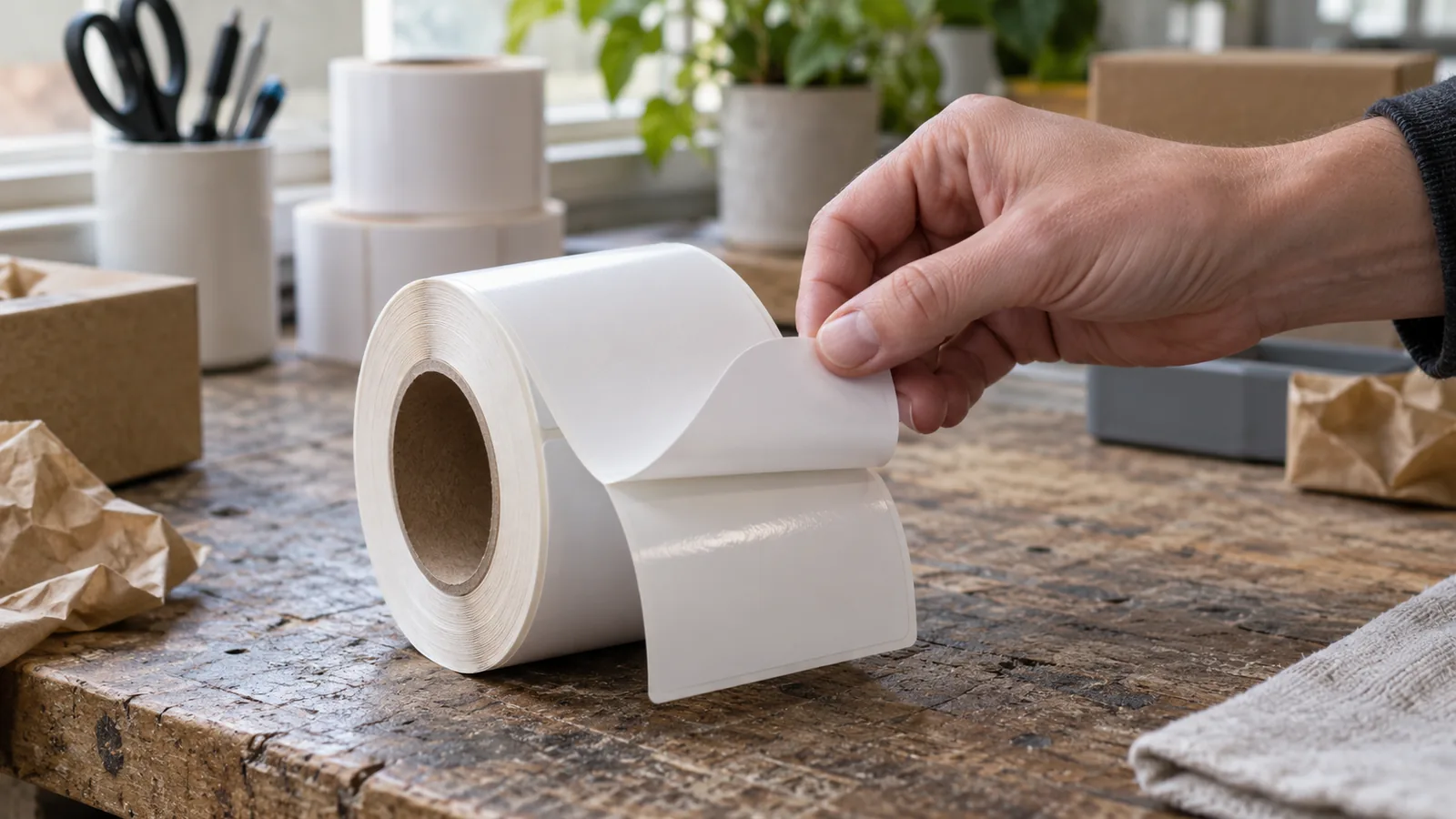
Record face material, adhesive and liner separately, then connect the complete bottle-label construction to application and use conditions.
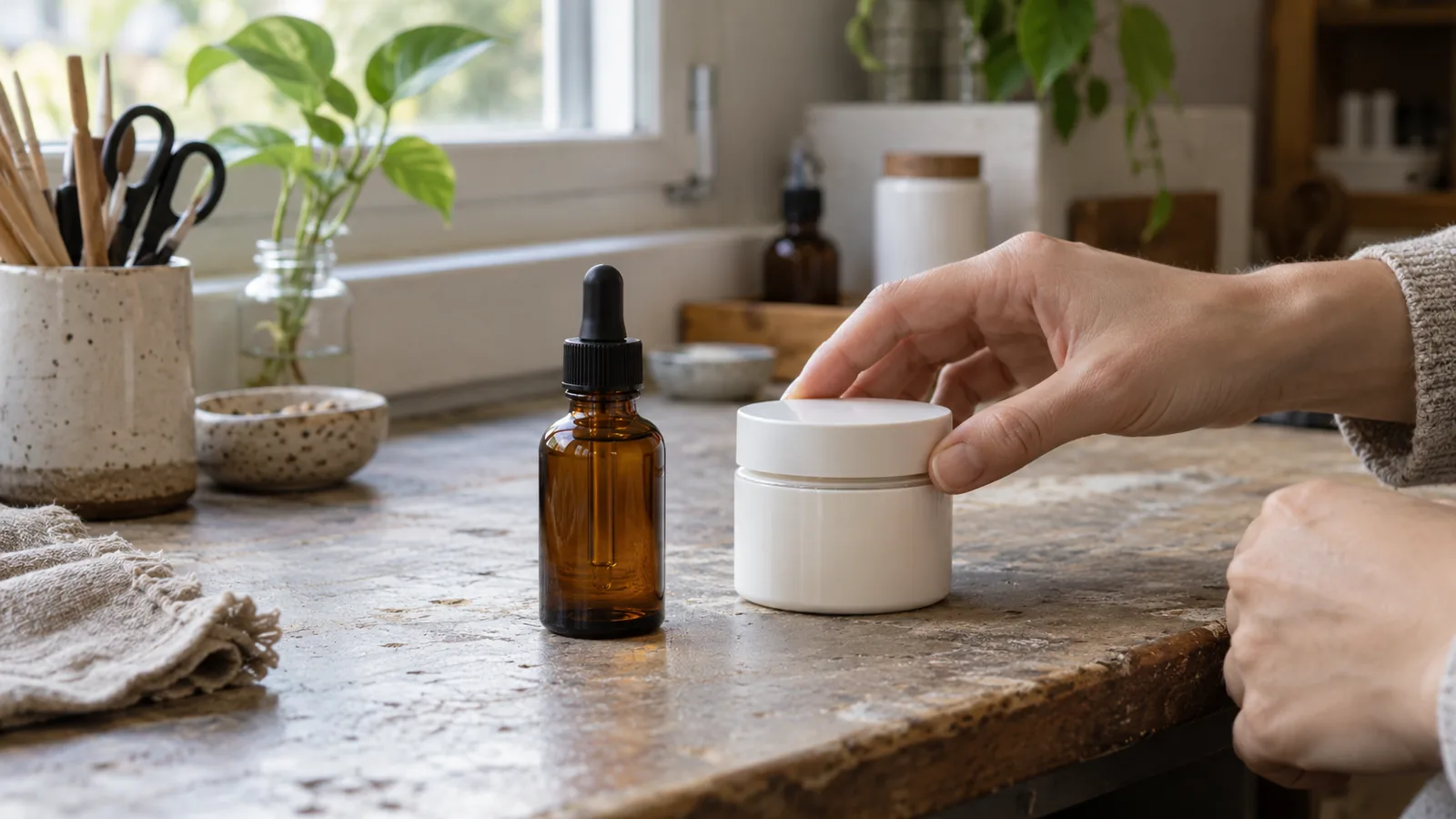
Map straight walls, shoulders and seams on small bottles and jars, then record blank-contour fit separately from construction and finished-print observations.